



How to Make Calming Bath Salts with UK-Grown Lavender
There are few cheaper pleasures than a hot bath at the end of a long week, and few easier things to make than the salts you put in it. A bag of magnesium flakes, a handful of dried lavender and a clean jam jar will get you there in about twenty minutes. Because you control what goes in, you know exactly what's going into the water.
British-grown lavender is worth seeking out. It tends to reach you fresher than imported buds, it supports small growers, and English lavender in particular has a sweeter, softer scent than the camphor-heavy lavandin grown for cleaning products. Here's how to blend the two, and how to stop your jar setting like concrete in the cupboard.
What You'll Need
This makes roughly two 250ml jars — enough for a month of baths, or one very generous gift.
- 250g magnesium chloride flakes
- 250g Epsom salts (magnesium sulphate)
- 2 tbsp bicarbonate of soda (optional, but useful in hard water areas)
- 3 tbsp dried lavender buds
- 10–15 drops lavender essential oil (optional)
- 1 tsp sweet almond or fractionated coconut oil (optional, helps the scent cling)
- A few muslin drawstring bags, if you'd rather not fish buds out of the tub
You'll also want a large glass or ceramic bowl, a wooden spoon, and two airtight jars. Avoid metal bowls when you're working with essential oils; glass is easier to clean and won't react.
Choosing Your Magnesium and Salts
Magnesium chloride flakes and Epsom salts do slightly different jobs, which is why most good blends use both. Flakes dissolve quickly and feel silky in the water; Epsom salts are cheap, widely available and give the mix bulk. Skip coarse rock salt — it sinks and sits there, gritting the bottom of the bath.
Do bear in mind that magnesium flakes are hygroscopic, meaning they pull moisture out of the air. That's the single biggest reason homemade bath salts clump, and it shapes how you store them.
As for the claims you'll read online about magnesium baths easing aching muscles: plenty of people find a warm soak helps them feel looser, but it isn't a treatment for anything. Treat it as comfort, not medicine.
Sourcing UK-Grown Lavender
Lavender farms across Norfolk, Surrey, the Cotswolds, Hertfordshire and Yorkshire open for picking from late June into August, depending on the variety and how far north you are. Cut in the morning once the dew has dried but before the midday heat, when the oil in the flowers is at its strongest. Hang bunches somewhere dark and airy, or lay them on a tray, and they'll be dry in a fortnight.
If you're buying instead, look for dried buds sold as culinary or food grade. That's a decent signal they haven't been sprayed with anything you'd rather not put on your skin. Good buds are grey-green and smell sweet and floral when you crush a few between your fingers. Brown, dusty ones that smell of hay are past their best — the scent has gone and it won't come back.
Growing your own is easy if you have a sunny spot. Lavandula angustifolia varieties such as 'Hidcote' and 'Munstead' cope well in pots and poor soil, provided drainage is sharp. They sulk in shade and rot in soggy compost, so go easy on the watering.
Making the Blend
- Wash and thoroughly dry your jars. Any trace of moisture will start the clumping process early.
- Tip the magnesium flakes and Epsom salts into your bowl, add the bicarbonate of soda if using, and stir with the wooden spoon until evenly combined.
- If you're using essential oil, drop it into the teaspoon of carrier oil first and stir, then drizzle that mixture over the salts while stirring. Adding neat oil straight to dry salts makes them damp and lumpy.
- Fold in the dried lavender buds last, gently. Don't be tempted to blitz everything in a blender — the buds turn to dust and the friction warms the salts.
- Decant into jars, seal, and label with the date and contents.
Easy variations
Swap a tablespoon of the lavender for dried chamomile flowers or crushed rose petals. A few drops of bergamot or sweet orange work well with lavender, though citrus oils can make skin more sensitive to sunlight, so keep them for evening baths. If your skin is reactive, leave the essential oil out altogether — the dried buds alone give a gentle scent.
Storing Bath Salts So They Stay Loose
Airtight is the whole game here. Choose a glass jar with a rubber seal, or a clip-top preserving jar, and keep it in a cool, dark cupboard — not the bathroom, where steam gets in every single morning. If you like the jar on the bath edge, decant a week's worth into a small pot and keep the rest tucked away.
A silica gel sachet dropped into the jar helps in humid kitchens. Always use a dry spoon; wet fingers will ruin a whole batch. Scent fades after about six months, though the salts themselves still do their job, so write the date on the label and use the jar rather than saving it.
Using Your Bath Salts Safely
Two generous handfuls in a warm bath, swirled until dissolved, is about right. For a foot soak, a couple of tablespoons in a bowl of warm water will do. Loose buds can clog a drain over time, so spoon the mix into a muslin bag if you'd rather not scoop them out afterwards.
Patch test on a small area of skin first if you're prone to sensitivity, and don't use the blend on broken or irritated skin. Avoid essential oils during pregnancy and around babies and small children unless you've taken advice. If you're pregnant, or you have a kidney or heart condition, check with your GP or pharmacist before using magnesium salts. Keep jars out of reach of children, and don't use any bath salt internally.
A Quiet Half Hour
Making a batch takes less time than watching an episode of something, and a jar wrapped with a muslin bag and a handwritten label makes a proper gift. Don't worry about precision — a slightly uneven mix works just as well as a perfectly measured one.
Fill the bath, tip in a handful, and let the lavender do the rest.
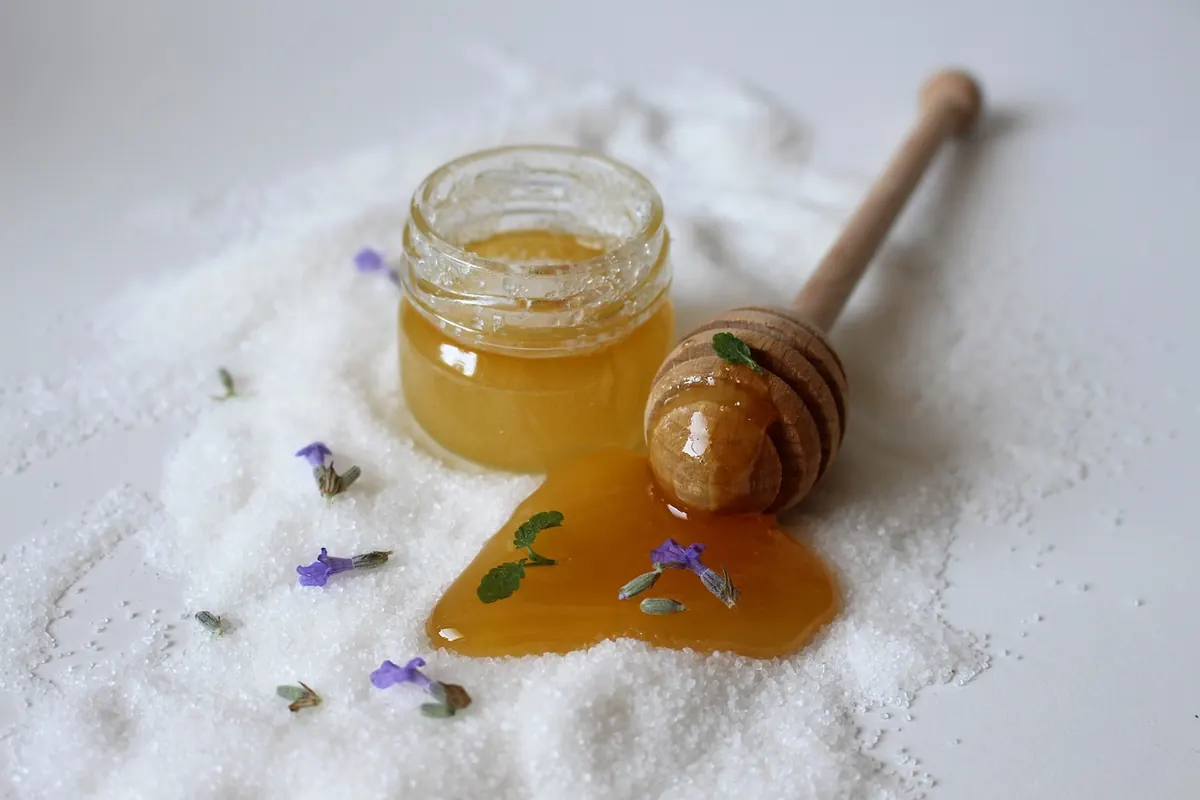
Photo: Monfocus / Pixabay