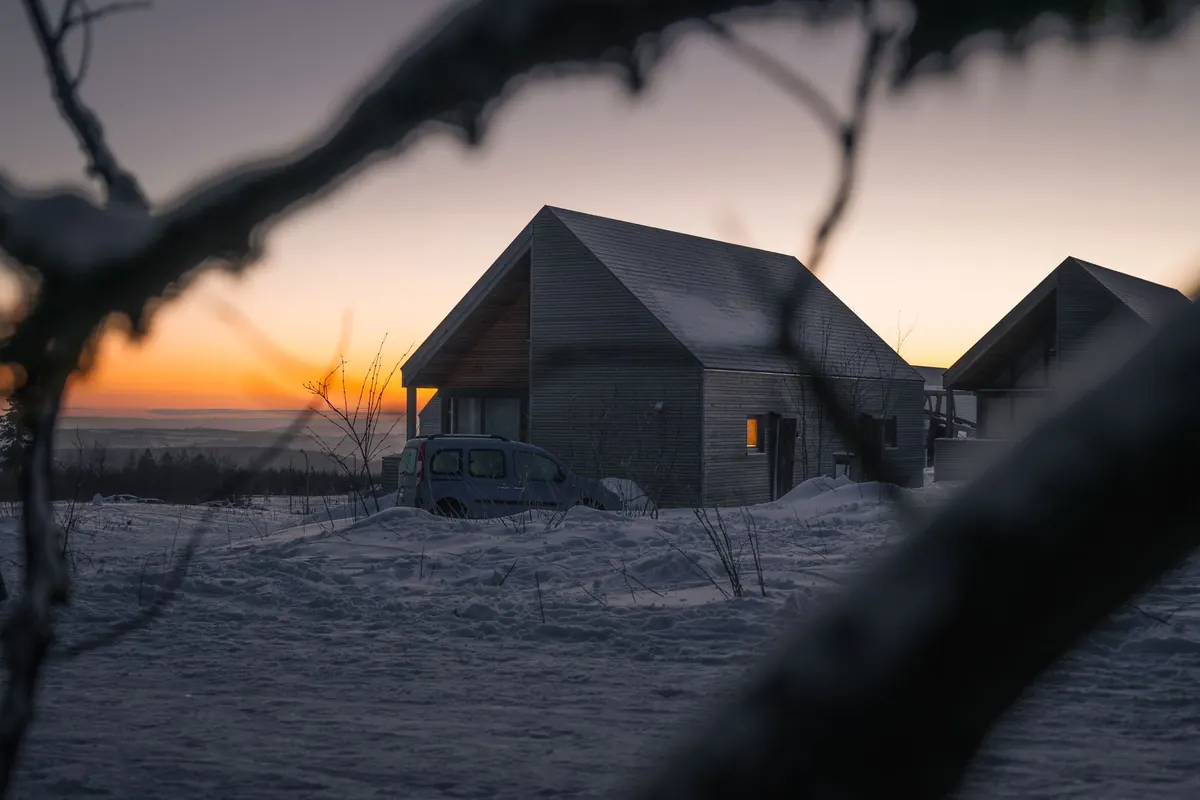

Seasonal Affective Disorder: Gentle Self-Care Strategies for Darker UK Mornings
The alarm goes off at half seven and it is still dark. You make tea, open the curtains on a grey street, and by mid-morning you are quietly negotiating with yourself about whether you can get through the day. If that pattern arrives every November and lifts somewhere around March, you are not lazy and you are not imagining it. Seasonal affective disorder (SAD) is a recognised pattern of recurrent low mood that follows the seasons, and British winters give it plenty to work with.
Why Dark Mornings Land Harder Here
Daylight is the main cue your body clock uses to decide when to be alert and when to wind down. When mornings stay dark, that signal arrives late. Many people find their sleep-wake rhythm drifts as a result: they sleep longer but wake unrefreshed, feel sluggish until midday, and then lie awake at night wondering why they are not tired.
The winter pattern often includes a cluster of symptoms that tend to arrive together:
- Low mood, flatness or irritability that is worse in the morning
- Sleeping more than usual but still feeling unrested
- Cravings for stodgy carbohydrates, and eating more than you would in summer
- Low energy, poor concentration and a shorter fuse
- Withdrawing from people, or cancelling plans you would normally enjoy
Everyone feels flatter in January. The difference is degree and duration. If low mood is affecting your work, your relationships or your ability to look after yourself for weeks at a time, treat that as useful information rather than something to push through quietly.
Start With Light
Daylight, even the grey kind
Outdoor light on an overcast British morning is still far brighter than a well-lit kitchen. Getting outside within an hour or so of waking is one of the most effective things you can do, and it does not need to be a formal walk. Take your coffee into the garden. Walk to the shop for milk. Get off the bus a stop early. Fifteen to twenty minutes counts.
Two small adjustments help as well. Open curtains and blinds as soon as you get up rather than leaving the room dim, and turn on bright overhead lights while you eat breakfast. In the evening, do the opposite: lamps instead of ceiling lights, screens dimmed, and ideally the phone out of the bedroom.
Light boxes
Light therapy lamps are widely used for seasonal low mood. A typical device delivers around 10,000 lux, and the usual approach is to sit near it for roughly twenty to thirty minutes in the morning while you eat breakfast or read, with the light angled towards your face but not stared at directly. Consistency matters more than intensity, and benefits are usually noticed within a week or two if the device suits you.
Light boxes are not right for everyone. If you have bipolar disorder, an eye condition such as macular degeneration, or you take medication that makes your skin sensitive to light, speak to your GP before using one.
Give Your Day a Skeleton
Routine helps in winter because it removes decisions at exactly the point when decision-making feels hardest. You do not need a perfect schedule. Two or three anchors held consistently will do more than an ambitious plan abandoned by Wednesday.
- A fixed wake time, seven days a week, kept within about an hour.
- Out of bed within fifteen minutes of waking, even if you sit somewhere else with a blanket.
- Breakfast at roughly the same time, ideally near a window.
- Ten minutes outside before 10am, whatever the weather does.
- One thing that is yours — twenty minutes with a book, a bath, music, a puzzle. Not a task.
- A wind-down from 9pm, with a consistent bedtime.
If a night goes badly, keep the wake time and let the rest slide. Sleeping in to catch up tends to push the whole rhythm later and makes the next morning darker still.
Eat and Move for Steadier Moods
Carbohydrate cravings are a genuine part of the winter pattern, so fighting them with guilt is a waste of energy. Build meals around protein, fibre, some fat and slower carbohydrates instead. Porridge with Greek yoghurt and frozen berries, or eggs on wholemeal toast, will carry you further than a bowl of cereal. Soup with wholemeal bread is a decent lunch. Keeping something easy in the freezer for the days you cannot face cooking is not laziness; it is planning.
The NHS advises considering a daily vitamin D supplement of 10 micrograms during autumn and winter, when sunlight is too weak for your skin to make it. A pharmacist can advise on a suitable product.
Movement matters as much for mood as for fitness, and it pairs naturally with the daylight habit. A twenty-minute walk at lunchtime, done most days, tends to do more than a punishing gym plan you dread. If walking feels like too much, standing in the garden or stretching by an open window still counts for something.
Two things worth watching: caffeine after early afternoon, which can sabotage sleep even if you feel unaffected, and alcohol, which fragments sleep and lowers mood the following day.
Stay Connected When You Want to Hibernate
Withdrawal is a symptom of seasonal low mood, not a preference, so it helps to decide in advance rather than in the moment. Make the contact as low-effort as possible: a phone call on your walk, a standing Tuesday coffee, a message to one friend rather than a group chat.
Being honest also removes a layer of effort. “I’m finding January hard — can we do something low key?” is usually met with recognition rather than awkwardness. Plenty of people you know are struggling with the same thing and simply not saying so.
When to Seek Professional Support
Self-care is a foundation, not a substitute for treatment. Speak to your GP if low mood lasts most of the day, most days, for two weeks or more; if you have lost interest in things you normally enjoy; if your sleep, appetite or weight have changed noticeably; or if it is affecting your work or relationships.
Treatments for seasonal affective disorder commonly include talking therapies such as CBT, light therapy, and in some cases antidepressant medication. Your GP can discuss what is appropriate for you, and waiting lists vary, so it is worth asking about options at the first appointment rather than the third.
If you ever have thoughts of harming yourself, seek help straight away — contact your GP urgently, call 111, or call the Samaritans free on 116 123. In an emergency, call 999.
This is general information, not medical advice. A GP or pharmacist is the right person to advise on your own situation, particularly if you take other medication or have another health condition.
A Gentle Plan for the Rest of the Winter
Pick three things and hold them. For example: alarm at seven every day, ten minutes outside before ten, and one phone call to a friend each week. Add a GP appointment if it has been more than a fortnight of feeling low.
Winter in the UK is long, but it is not a waiting room you have to sit in passively. Light, routine, food and company are ordinary things, and they are also the ones that reliably help. Start with the morning, because that is where the darkness does most of its work.
Photo: Lennard Schubert / Pexels